Showing posts with label Documentation. Show all posts

Monday, July 1, 2024

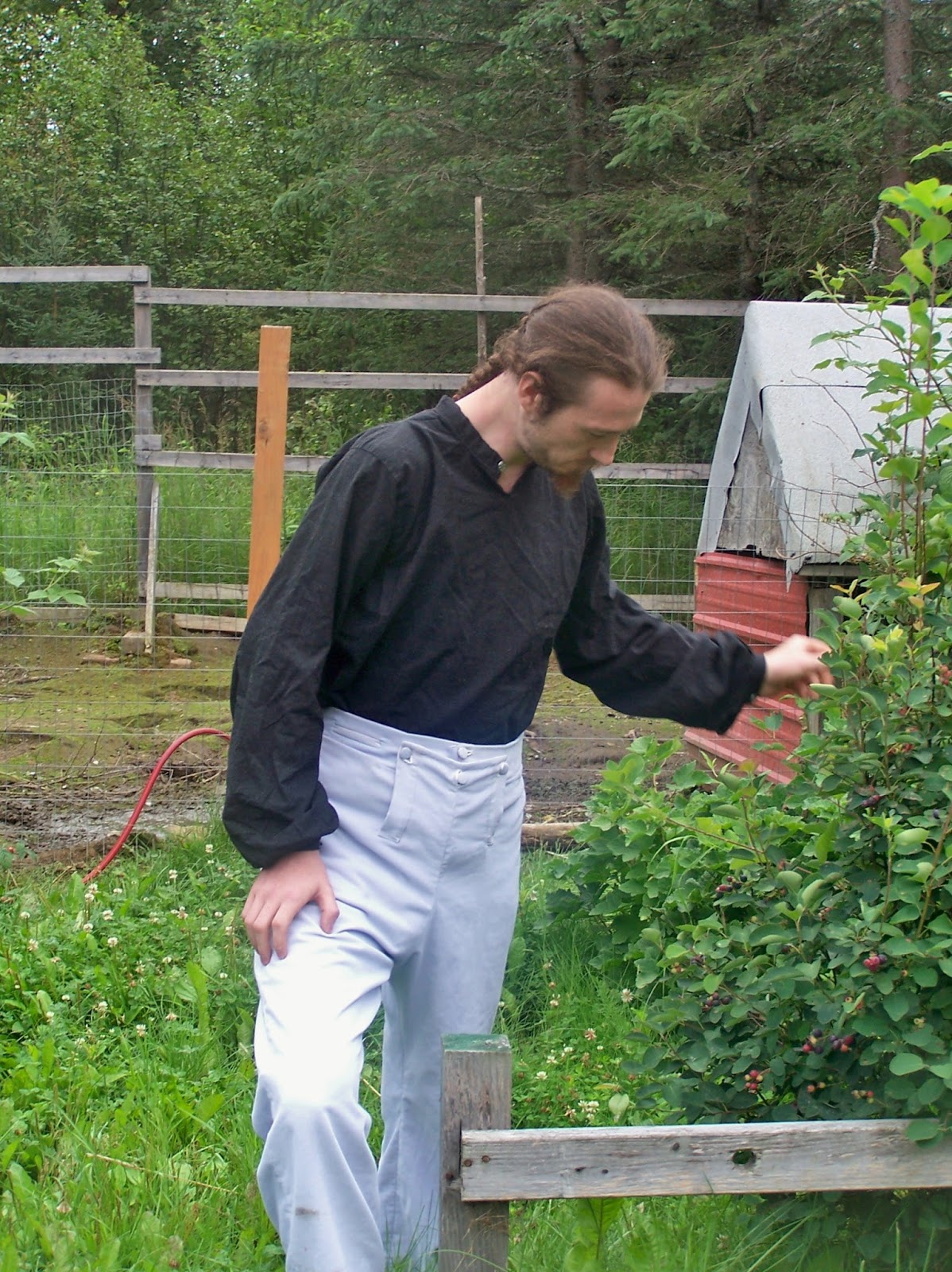
A Common Man's Doublet

©Travis Abe-Thomas, June 2024

Finally!  I actually finished another project, and in time to debut the suit at the second ever West Kingdom Crown hosted by Oertha.  This is the white hemp canvas doublet I have been plugging away at for the last two years, to be paired with the black wool round hose as a "working" suit which would age and develop what we're going to call "character"...also known as stains and hopefully wear patterns.

When designing the project, I knew I wanted a fairly simple outfit from the end of Elizabeth's reign--round hose, and a fairly plain doublet.  As working class people aren't the most popular subject for art (unless accompanied by quaint villages and beautiful scenery as in my Low Countries Research), I eventually found what I was looking for in Samuel Pepys's Cries of London.  

Sunday, June 30, 2024

Demystifying Documentation; How to Infodump with (some) Organization


Full Notes for the Class, taught June 22, 2024, West June Crown A.S.59

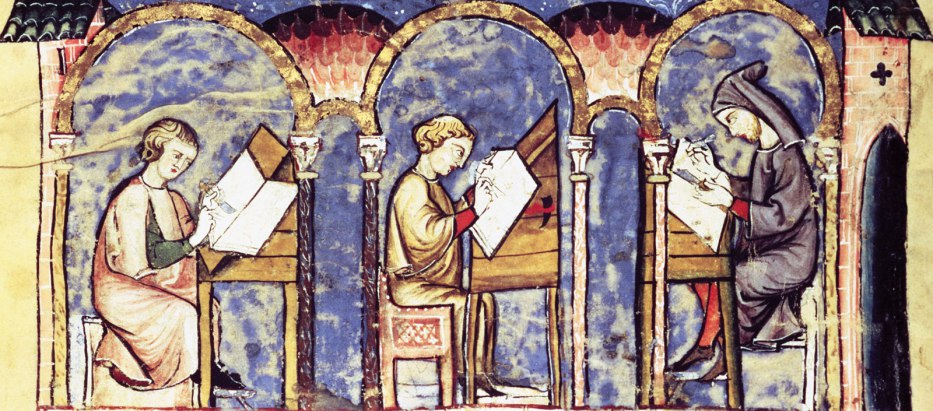
From Biblioteca de San Lorenzo de El Escorial, Madrid, Spain, c. 14th century AD

About a month ago during a conversation her (current) Highness of Oertha, Mistress Elena Verch Ryse suggested that I actually teach a class on how I do write-ups and documentation for my projects.  I thought about it (getting heavily distracted from my book as I essentially gave the lecture to myself), and decided that yes, this was something I could do and would schedule for West June Crown--a fairly major stepping point for me as I have thus avoided lecture style classes and stuck with more hands on ones where I didn't have to talk as much. 

The class went off with a small handful of brave souls--not as many as I would have liked, although there were two other classes going on at the same time, as well as something called "dinner".  As though a meal is needed after grazing all day... Still, it was a good class and we mostly stayed on topic, with a bit of perusing my library after. These are the class notes with everything I remember discussing; while my outline has been published before on this blog, I didn't discuss my theories in depth at all.  This particular class does not focus primarily on writing for competitions as most articles on the topic seam to, but more for writing to document it for your own personal gratification and to educate those who come after.

Saturday, July 22, 2023

A Procrastinated Pair of Round Hose

    Some years ago, in the Pre-Covid times, I decided I wanted to make a plain suit of Elizabethans.  Something from the very end of Elizabeth's reign, and suitable for working in; setting up tents, fighting, maybe some hiking, sitting in the tavern, etc.  A suit of late period clothing where getting it dirty would only add to the character of the garments rather than spoiling them.  In the end, I settled on a suit of round hose in wool broadcloth, and a doublet in another broadcloth or hemp/linen canvas.  While the doublet is still in the works (but is actually being worked on!), I actually finished the round hose over a year ago; I just haven't had any motivation to write (acquiring a new, functional computer helped a bit, but that was purchased *mumble* months ago...).  Wish me luck on this...I'm well out of practice on writing at all, never mind project documentation; thankfully, I took a fair amount of notes...but not enough.

    The hose are, as said, made in common man's cloths and suitable for the tail end of the 1500s and into the 1600s..  Finding exemplars was more difficult than the norm for this period, as working class people aren't particularly popular subjects of paintings, and I additionally had a particular look in my head.  In the end, the Samuel Pepys's Cries of London was a major resource and inspiration for both the hose and doublet forms.

    The Cries of London is a particular genre of artwork which often dealt with the lower classes of various cities (e.g London, Bologna).  The term allegedly comes from the "Cries" or calls of the various traders as they tried to attract customers [Payne, abstract].  In the case of the examples collected by Samuel Pepys, the collection we know as gathered up to 100 years after publishing.  The actual artist of these is unknown, as is the original date, although based on fashion style I estimate this example is from last quarter of the 16th century.

From Spitalfields Life Blog

Tuesday, January 28, 2020

A Wild Irish(wo)man's Inar

A couple of months ago, my Donna and Pelican was asked to join the Order of Defense, the peerage for fencers in the SCA.

As she had nothing nice to wear for her elevation about 6 weeks later at Winter Coronet, we discussed options, and settled on 16th Century Irish (her Persona and mine) menswear--partly so she could borrow pieces from my wardrobe, and partly because the main outer layer really doesn't require much fabric.  So...I set to procrastinating.  For the better part of a month.  Not a big issue...even with handsewing an inar doesn't take much time, since there really aren't a lot of seams.

Photo by Twobears Photography
However, since it was for a special occasion I wanted the garment to be bling, and elected to try to keep my doing so a secret except from select support crew who were sewn to secrecy. 

Wednesday, October 16, 2019

Leather Party Pluderhose: The Documentation

The party pluderhose is a project I had been thinking about for some time--I wanted a pair of pluderhose which were a bit more durable, and which I actually handsewed (the Brunswick suit was machine sewn, if with a considerable amount of handwork).

Once again, I have a love/hate relationship with this garment--they are so extra that I love them, along with the challenge of drafting them.  On the other hand, they have a lot of material in them so are not particularly lightweight to wear, and do require the wearing of stockings.  Also, while period codpieces only had two points holding them up, because I make most of my late period gear for SCA fencing, it needs to be more secure than that--and tying those fiddly little points with cold hands is a nuisance.

This is the full documentation, which covers just about every step of my design, construction, and decisions.  If you just want to look at the photo shoot and read an overview, click here for my previous post. 

Thursday, August 29, 2019

A Work-a-Day Elizabethan Shirt

Well...mostly work a day.  This project was intended to be just a shirt to wear under my late period wear; one which does /not/ have silk insertion seams as the last shirt I made does.  Even though the silk sewn shirt is fairly heavy and should be durable, my brain won't let me abuse and get it dirty as I probably will with this one.   This project was completed a good six months ago, and took about nine months of procrastinating to finish--there is a certain amount of guesswork since I wasn't doing a good job of journaling my projects during that time.

Wearing the pluderhose from my Brunswick Suit for the photos.

Friday, August 2, 2019

A Pair of Transitional Braies

Alright!  This project has been finished for well over a year, but I haven't actually worn it until recently.  I also had not written any documentation on the subject--or any other projects in the last year or two, for that matter.  I'm well out of practice in writing, and working from scanty notes and memory, so please bear with me.

Introduction:

As I have been working on a 14th century outfit (slowly), and intend to venture into the early 15th century, I needed an actual set of braies instead of the wrapped loincloth style hypothosized over on the Hibernaatiopesäke blog.  While comfortable and of a period form, I didn't feel they would be appropriate for later in the 14th century, never mind the 15th.  Therefore the first part project was to figure out what shape the braies would be, then make a pair which would work for a variety of outfits.

Wednesday, July 12, 2017

The Nauseatingly Stripy Trunkhose


This project is a pair of trunkhose, similar in style to those of the late 1560s, made of the same fabric and to wear with the same doublet as in the Brunswick suit.  The design is fairly general, not based on any one particular example, but is closest to one in the French rapier manual by Sainct Didier.  Because this particular project was intended more as a trial run, I am not worrying about documenting everything.


Sunday, July 2, 2017

Stolen: Dwarven Vest?

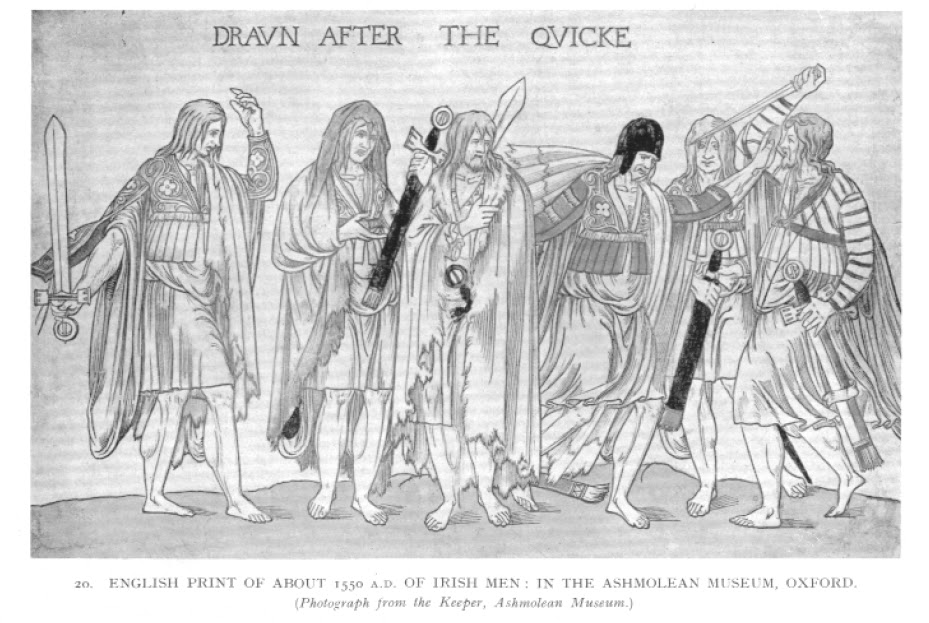
Nope…it’s a 16th century Irish inar.  While the garment appears to be too small to modern eyes, the fit is actually just right…for the style.  The inar was the “outer” garment of the Wild Irishman outfit, and was worn over the loose,tunic-like leine.  To the best that I can tell, the garment is unique to the culture.


Garment Description:

The inar is a short vest or jacketlike garment, most likely made of wool.  It is slightly fitted (primitively), has rudimentary sleeves, and a separate skirt (which is also short).  Did I mention the garment is short?  It comes to maybe hip length, with the waist seam somewhere around the sternum.  The neckline comes down almost to the sternum as well.  As such, it is a somewhat odd-looking piece of clothing, especially being worn over the extremely loose and bloused leine. 


Thursday, June 8, 2017

Whose sleives hang trailing down Almost unto the shoe: the 16th Century Irish Leine


This project has been a long time coming; many (relatively) years ago, I wrote an article on 16th century clothing---my first serious research article, in fact.  It is only now that I have actually gotten around to making a suit of Wild Irish clothing, consisting of the leine and inar, as well as the shaggy brat.


The Project: 
This piece of documentation discusses bottom layer of the 16th century project….the leine.

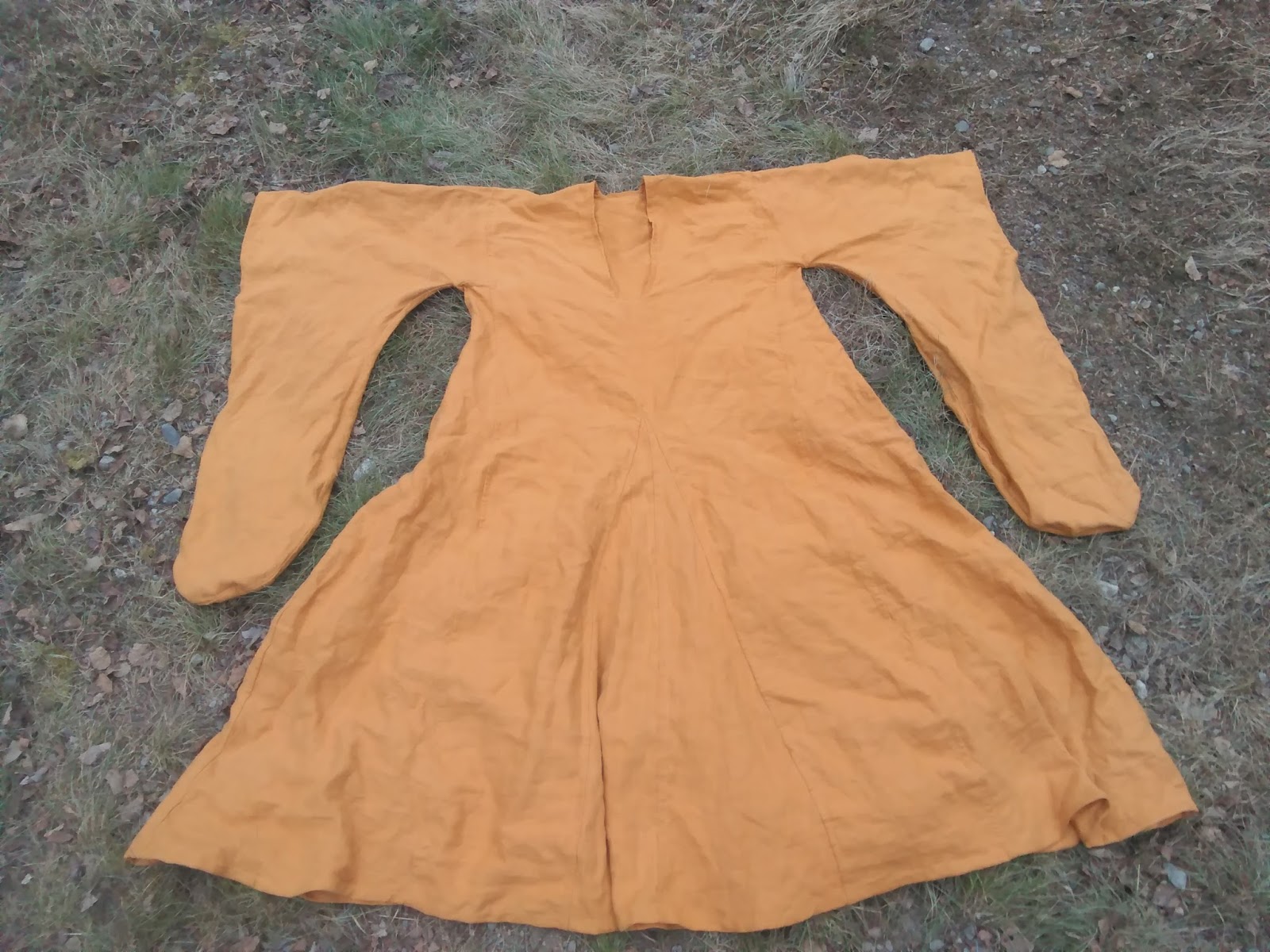
The leine--a word translating now as shirt--appears essentially as a linen tunic, almost universally "saffron yellow", although lady's versions do appear in white, and I suspect that the lower classes might make due with natural coloured linen (ranging in colour from blue-grey to a lighter yellow[i]--I will discuss this more later).  For both sexes, pendulous or bagpipe style sleeves were the norm, as was the use of massive quantities of linen cloth.  Men, at least, wore theirs bloused over a belt, to bring the garment to knee length.

Wednesday, January 25, 2017

1570s Brunswick Man: The Overview of a Year's Journey

So...this is it.  The final post on the projects I've been working on for the last year--the 1570s Germans.  It has been a long journey, full of working on new and old skills, and on my writing skills--a full ten posts have been published to cover the various steps, not including this one and the unpublished doublet drafting system.  In addition, each item was entered in a Historical Sew Monthly challenge over the course of the year.


The Final Piece...the Tall Hat

This is it...the last piece for my 1570s Germans suit.  And boy, am I happy it's finally done.  The hat itself was a fairly quick and simple project....but I have been working on the overall project for just under a year now.  Because it is the last piece (yay!) I was able to enter it into the first Historical Sew Monthly challenge of 2017--Firsts and Lasts.

The Project:

This is an extremely tall, woolen hat, similar in profile to several examples from the period of 1570s Germany, which is part of my full suit from the same period (well, of course).  Unlike quite a few later examples, and my last tall hat, the covering is not a gathered circle, but fits smoothly over the base.

Monday, January 9, 2017

Aaand I present the 1750s Banyan Documentation. ...Finally.

This has been coming for a while, but I needed to finish (...or write, period) the third post on making the blasted  thing.  But here it is...the documentation for my 1760s banyan, which I shoehorned into the HSM Red challenge (yes, the garment is blue...but there is apparently enough red on it to count).
 

Thursday, November 3, 2016

1570s Germans Continued: The Jerkin

This has been a rather long journey, and it is finally nearing its end with the completion of this project--a slashed jerkin as part of my 1570s Germans suit.  The suit consists of pluderhose, doublet, jerkin, and hat, all drafted from my own patterns.  Like the other garments in the set...you don't get to see it being worn until the debut (probably in January).  Because the two garments are so closely related in pattern and design, I highly recommend reading my documentation for the doublet first. 

Sources:

The sources for construction and the primary inspiration are essentially the same as those for the doublet; with a few changes to show slashed jerkins.

Monday, September 12, 2016

Obnoxiously Plaid Skinny Pants and the Irish: The Dungiven Trius Documentation

I am extremely happy to say that this is the end of a fairly long project.  Not the trius, which are the principal subject of this post, but the Dungiven Suit project in general:  making the garments--consisting of doublet, trius, and shoes from the Dungiven find.  I chose to leave the brat/cloak of the find out of my recreation because I already have a late period Irish brat made, albeit with wider material.

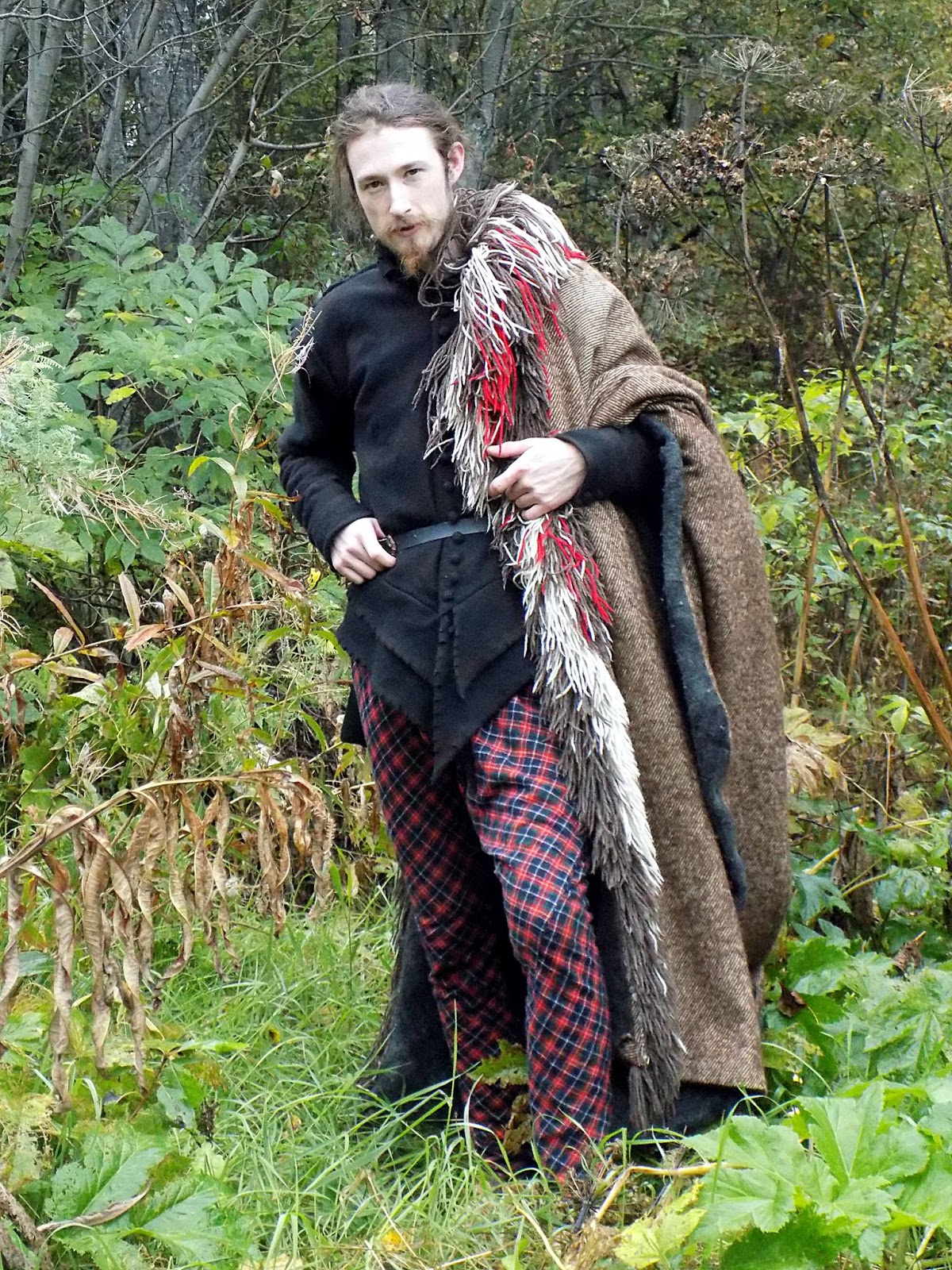
This project is a pair of trius--close fitting Irish trousers--based and patterned from those in the Dungiven find, in Northern Ireland. 

Photo by Travis "Twobears" Abe-Thomas.  Trius are being worn with the full outfit*.

Sunday, August 14, 2016

The Next Piece: Stripey Doublet of Eyeblinding..ness?

Yeah, a stripey doublet...I know.  After doing a bunch of resource gathering, I noted a number of doublets with horizontal stripes...and remembered that I had a bolt of lovely voided striped velvet.  Especially after making this year's pluderhose, I needed a new doublet to go with them.  I designed the doublet in an (early) 1570s German style to match the pluderhose.

Wednesday, August 3, 2016

Early Front Fall Trousers...Code Name: Hobbit Pants

For the HSM (link to the right, as always) Monochrome challenge, due at the end of July, I decided on a pair of narrow fall, front-fall trousers in white corduroy.


This particular project was actually fun, actually; fairly simple, and new enough to not be boring.  When I ran across a pattern drafting manual by Amanda Jones from 1822, I simply had to make something out of it...and since I both needed a new pair of relaxed pants (which fit well enough in the waist that I wouldn't need a belt), and eventually need to make a pair of narrow front fall trousers to go with my Wanderer Frock coat. So my "Hobbit pants" project was born, as a practice piece.

Monday, July 11, 2016

1860s "Sailor's" Topcoat; Travel Challenge

 
I really don't try to do these poses.  And it really does help your balance--I was walking on a submerged log.

The Project:

This was actually a fun project, and fairly quick once I got it drafted--a topcoat made of a single layer of canvas.  No shaping, and little handwork beyond hemming and sewing the various facings down (and buttons, of course.  Those don't count since they are a given.).

What it is is a slightly rough coat made of canvas, and made to the pattern of the very early sac coats or a semi-in-between garment known as a paletot (which clearly evolved from the frock coat, and is a semi-fitted overcoat).  Because it is only made of a single layer of material, and has no shaping--and isn't closely fitted--it is a quite comfortable garment for hot weather...something I rather needed.

Saturday, June 18, 2016

The Dungiven Project: Part Shoe!

The Dungiven Project is my journey to attempt to recreate--to the best of my resources and abilities--the outfit from the Dungiven find; primarily a doublet, trius, pair of shoes, and a brat. There were a couple of other fragments--including a belt--but they are not quite as important.

After a day of wear at 3-Barons Renfair.  I got a number of compliments on them!